

A Fulbright Journey into Brazilian Cello Repertoire
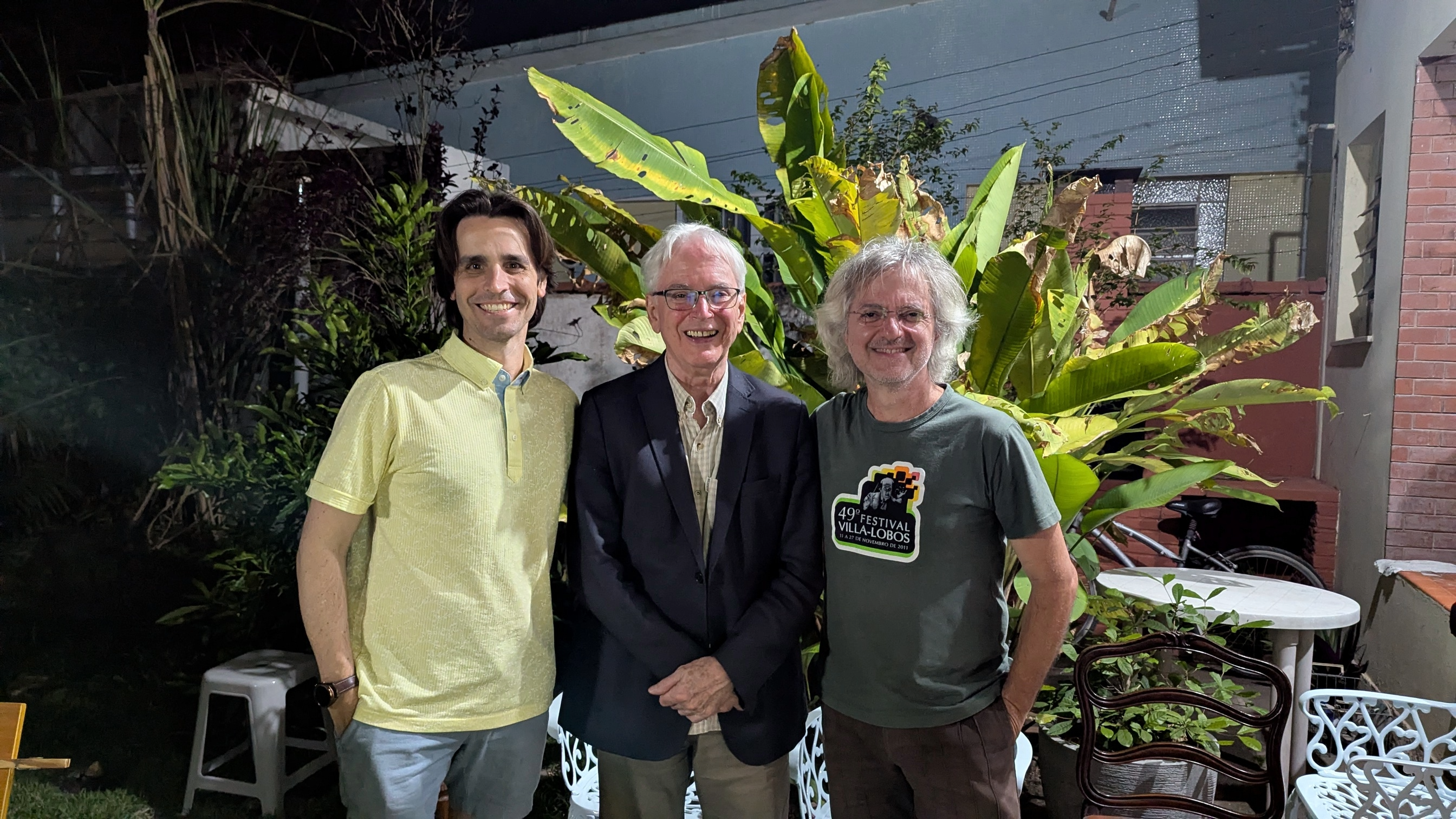
By Philip Borter, Assistant Professor of Cello
In October 2025, I began a two-month residency in Rio de Janeiro, Brazil, as a U.S. Fulbright Scholar. The residency is the realization of a dream I’ve carried for quite some time: to immerse myself in Brazil’s vibrant musical culture and explore its lesser-known repertoire for cello. While Brazil is often celebrated for its rhythmic vitality and popular dance forms, its classical music—particularly contemporary works for cello—remains underrepresented on the global stage. This project is my effort to help change that.
During my time in Rio, I worked closely with local composers, performers, and scholars to research, study, and perform modern Brazilian works that have yet to receive significant attention outside the country. Some of these compositions remain unpublished, their manuscripts held in university and private archives. My hope was to bring these works into wider circulation, through performances, assisting in the publication of new editions, and recordings.
The cello has long played a distinctive role in Brazilian classical music. In the early 20th century, composers like Heitor Villa-Lobos established the cello’s lyrical and expressive voice in Brazil’s art music tradition. But in more recent decades, a new generation of composers—many of them drawing from regional styles and idioms—have expanded the instrument’s range and relevance in exciting ways. My project aims to illuminate this evolving legacy, drawing particular attention to how contemporary Brazilian composers bridge the gap between classical technique and popular genres.
A genre that will feature prominently in my research is choro, a Brazilian style that emerged in the late 19th century and continues to shape the country’s musical identity. Rooted in the fusion of European dance forms and African rhythms, choro is at once intricate, improvisatory, and expressive. While traditionally associated with instruments like the flute, guitar, and cavaquinho, recent years have seen the cello embraced within choro compositions—an innovation that interests me both as a performer and educator.
My time in Rio included performances of the featured works, visits to cultural institutions, and collaborations with Brazilian cellists. As part of this immersive study, I engaged with the Escola Portátil de Música—Rio’s celebrated center for choro studies. This school operates with a vibrant community ethos, bringing together professional musicians, students, and tradition-bearers in an open exchange of ideas. I was eager to learn in this environment, to play informally alongside local musicians, and to deepen my understanding of the social and improvisatory roots of choro. There is something deeply inspiring about learning music not only through formal analysis but also through lived, collective experience.
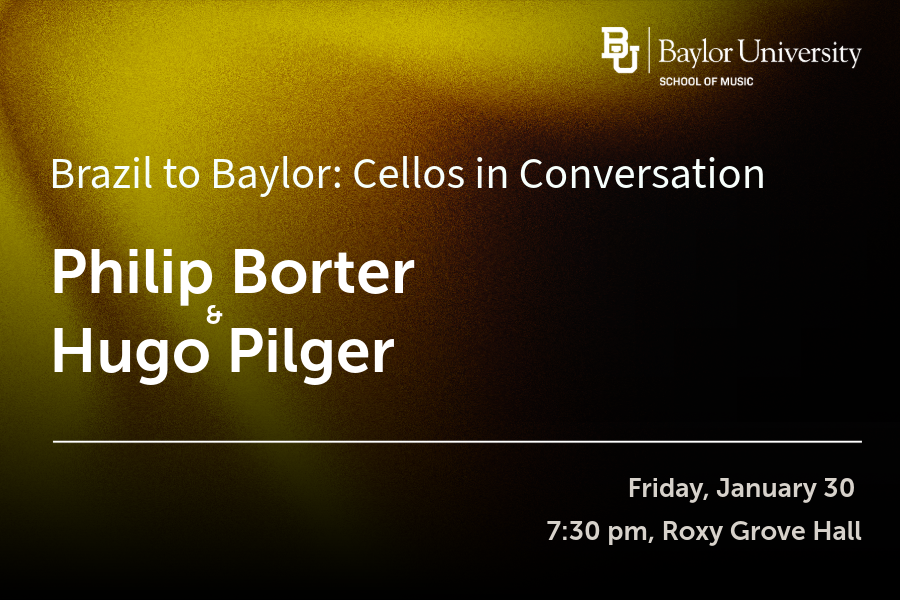
What excited me most about this Fulbright opportunity was its potential to deepen not only my own artistry but also the work I do with my students at Baylor. Music, after all, is not just about notes on a page—it’s about the cultures, emotions, and experiences that give those notes life. I’m thrilled to work alongside my Brazilian counterpart, Professor Hugo Pilger—a renowned cellist, recording artist, and scholar whose dedication to Brazilian music has shaped the field. His deep knowledge of historically significant repertoire, combined with his vision for contemporary performance practice, will be a valuable resource. In addition to our work in Rio, I’m honored to welcome Professor Pilger to Baylor’s campus in Spring 2025, where we’ll continue our collaboration with a joint performance on January 30 that highlights the transnational dimensions of this project.
Friday, January 30, 2026 at 7:30 p.m. in Roxy Grove Hall
Brazil to Baylor: Cellos in Conversation – Hugo Pilger & Philip Borter
This work also intersects with my long-standing passion for genre-crossing collaborations. As one half of Duo-B, a violin-cello duo I co-founded with my wife and musical partner Hirono Borter, I’ve spent the past decade exploring the intersections of classical and alternative classical music. Our recent album Tango y Choro reflects this ethos, blending South American dance traditions with contemporary interpretations. The album is now available for digital streaming on all major platforms, offering listeners an opportunity to explore this unique fusion of traditions.
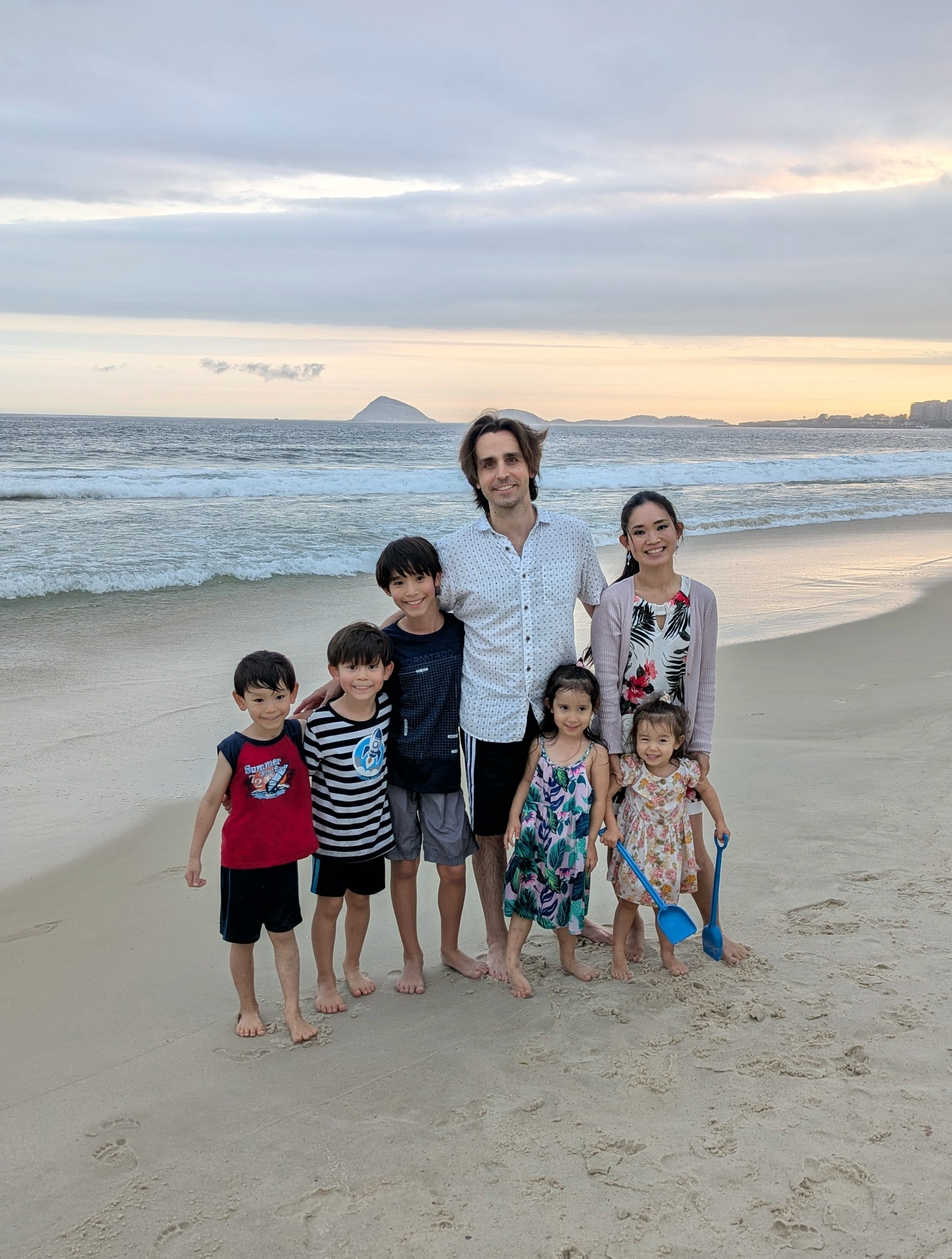
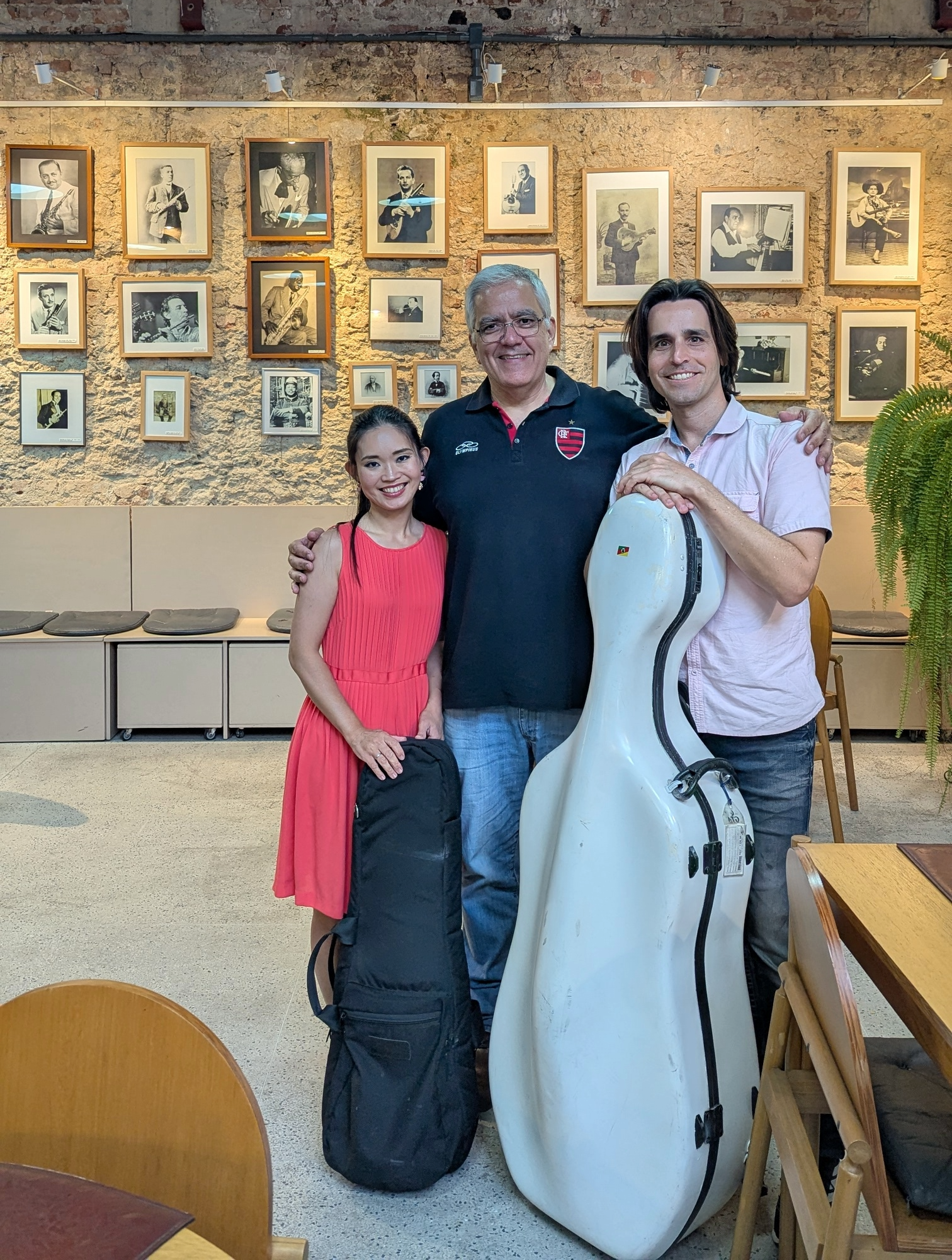
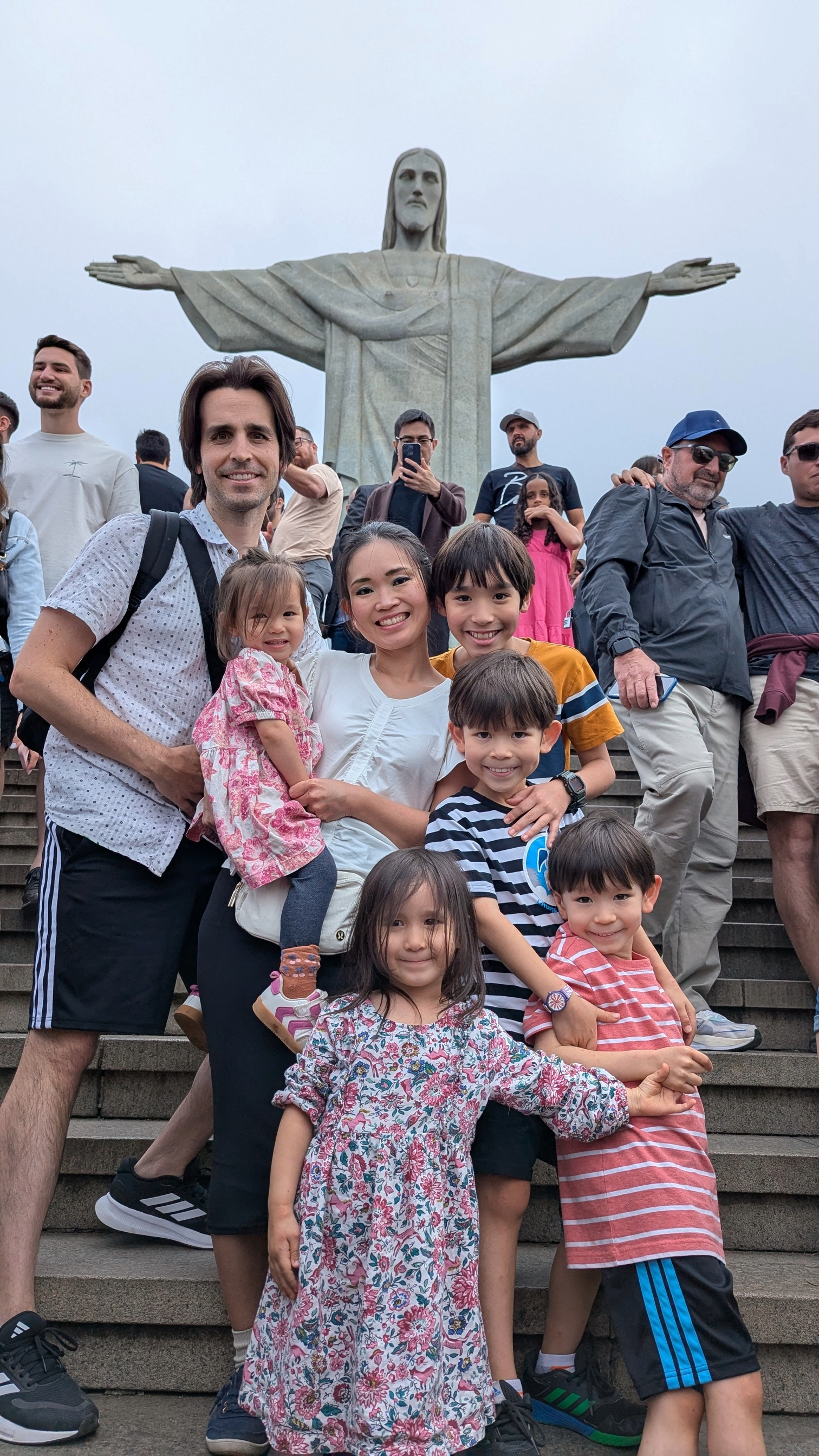
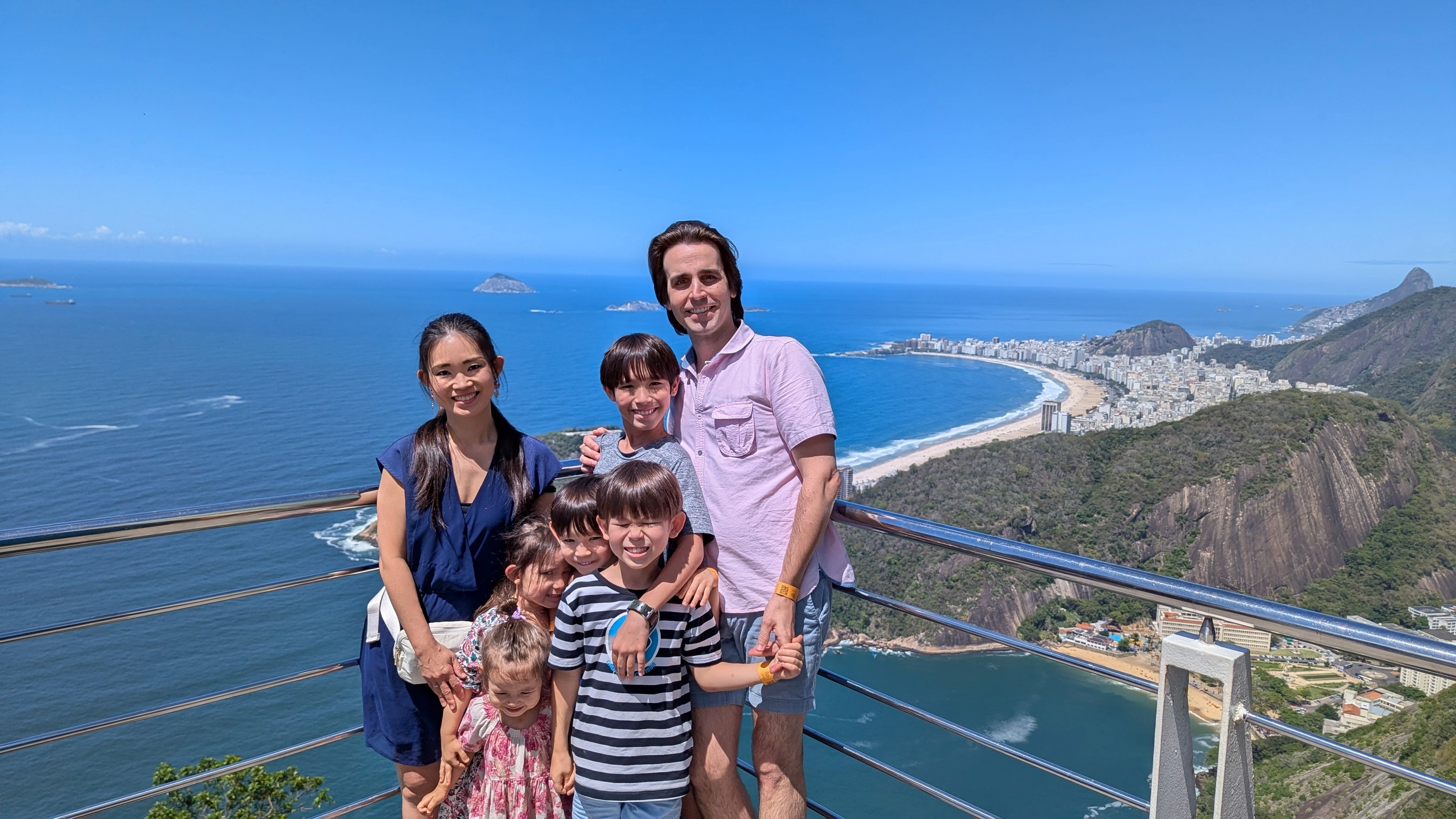
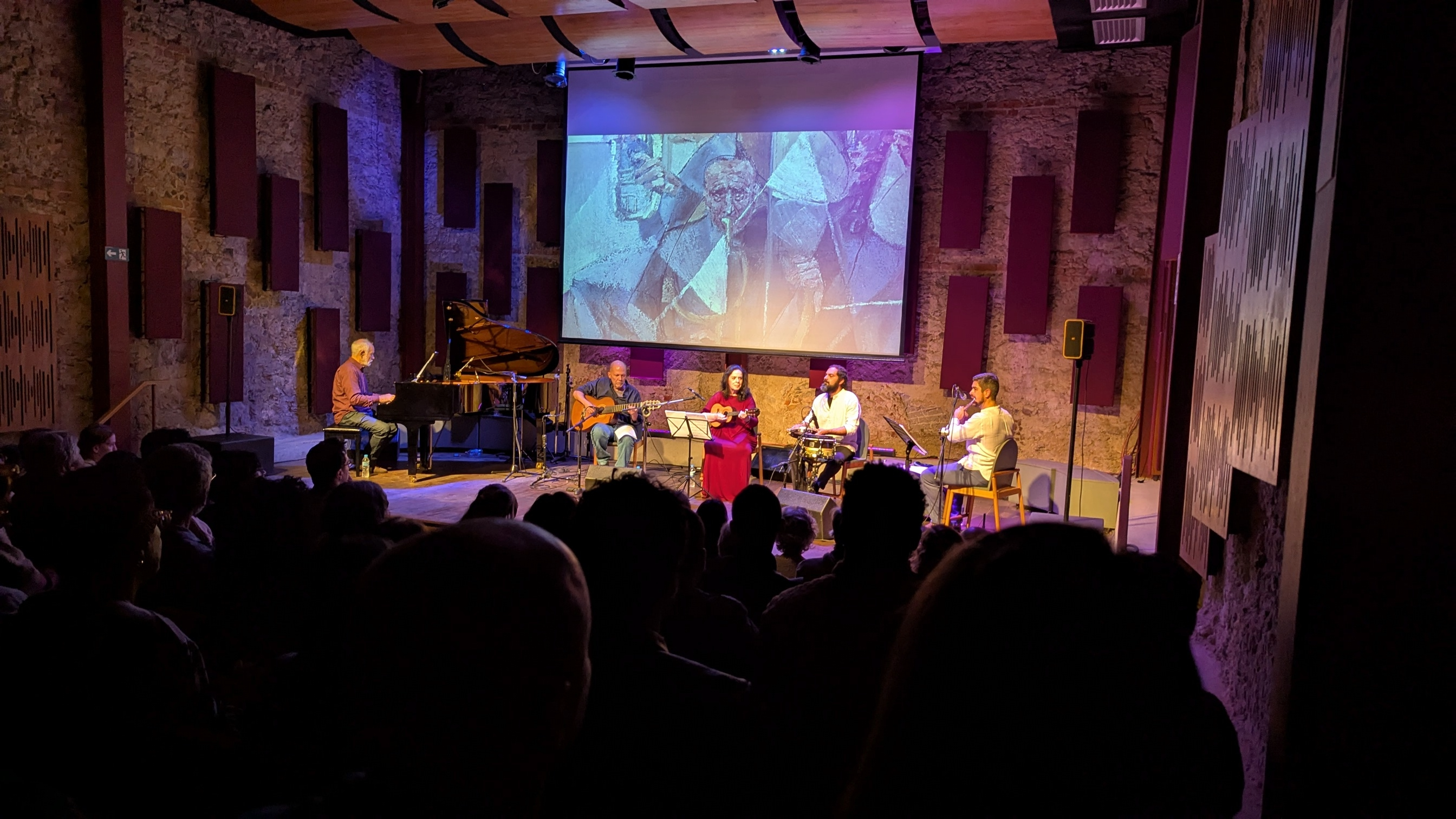
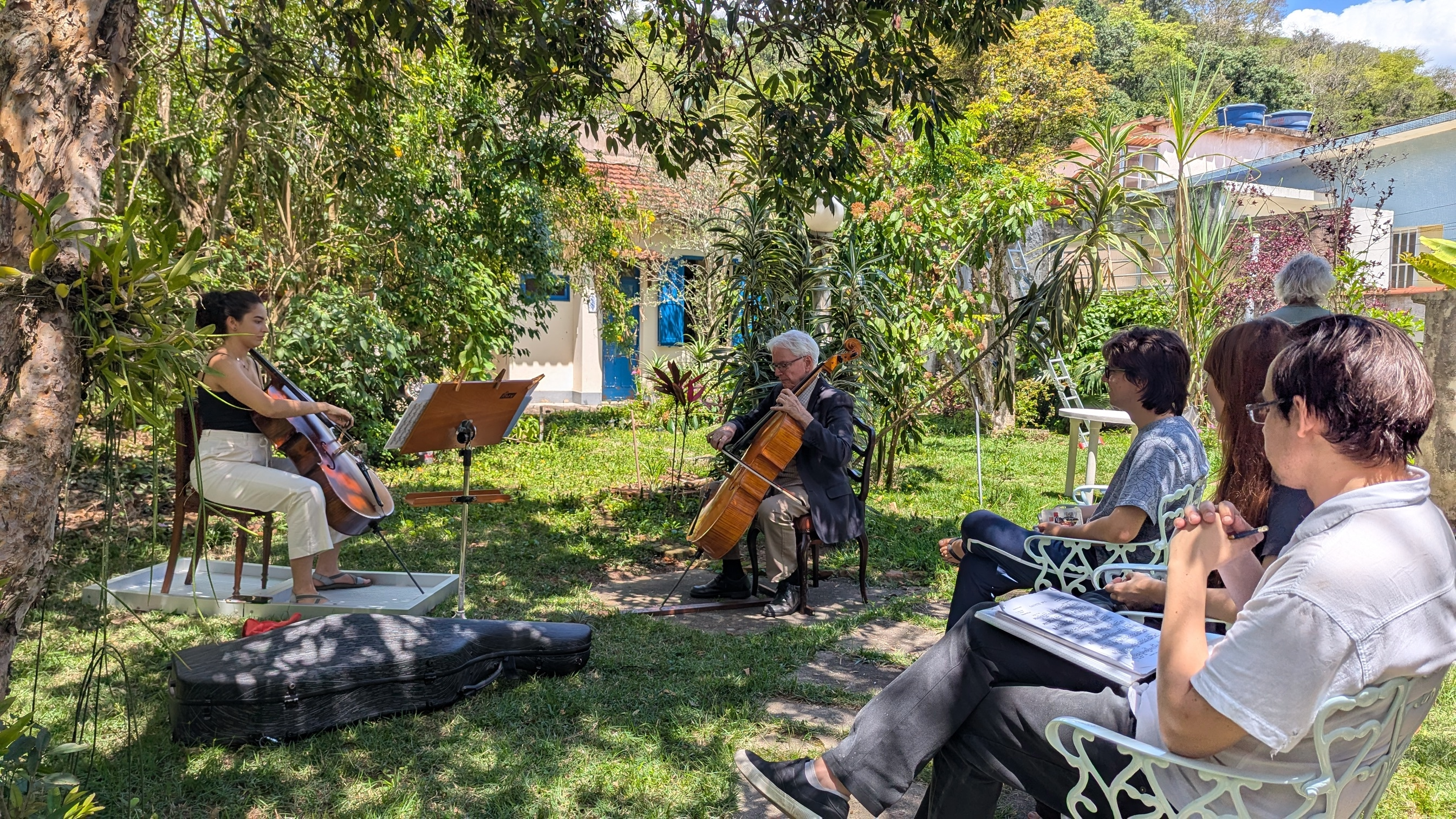
I’m deeply honored to receive this Fulbright award, and I look forward to sharing the music, stories, and discoveries that emerge from my time in Brazil. For now, see a few photos below from my time in beautiful Brazil.

- Philip Borter, DMA, Assistant Professor of Cello, US Fulbright Scholar